

Adding microbial strains into a liquid biofertilizer production process is more than just a simple step—it directly affects product activity, stability, and field performance. Whether you are preparing a large-scale liquid fertilizer manufacturing plant or a small fermentation system, knowing how and when to introduce beneficial bacteria ensures better results.
- Understanding the Role of Microbial Agents
Microbial inoculants—such as Rhizobium, Azotobacter, Phosphobacteria, or Bacillus subtilis—are key to improving nutrient absorption and soil health. In liquid biofertilizer formulation, these microbes must remain viable and active after mixing.
Therefore, the production setup should be designed to maintain proper temperature (25–35°C), gentle agitation, and low shear conditions to prevent damage to cell structures.
- When to Add the Microbial Strains
In a standard liquid fertilizer preparation line, microbial strains are usually added after main nutrient blending and sterilization steps. This ensures that any chemical residues or high temperatures from earlier stages do not harm the microbes.
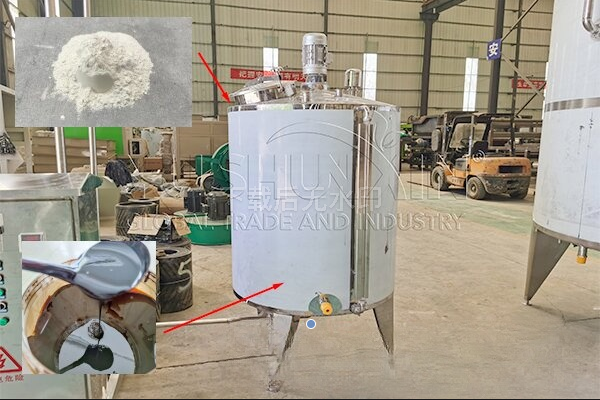
Operators typically use a separate microbial dosing tank or a stainless-steel mixing vessel equipped with mild stirring and filtration units. The late-stage inoculation keeps the microbial count high and the product shelf-stable.
- Equipment for Safe and Efficient Addition
Modern liquid biofertilizer plants often include:
Dosing tanks (with precise volume control and agitators) for microbial or micronutrient addition.
Inline mixing pumps for uniform distribution without overheating.
Sanitary pipelines and fine mesh filters to prevent contamination.
For example, YUSHUNXIN’s modular systems allow users to connect a microbial dosing unit directly to the main liquid fertilizer mixing line, ensuring smooth blending and real-time quality control.
- Maintaining Viability During Storage
Even after successful inoculation, microbes must survive storage and transport. The liquid fertilizer production equipment should allow for pH adjustment (usually 6.5–7.5) and optional addition of stabilizers such as molasses or humic acid.
Regular quality checks—like microbial population counts and contamination testing—help maintain consistency and customer trust. Click here to get more!
Conclusion
Incorporating microbial strains into a liquid biofertilizer manufacturing process requires the right balance between technology and biological sensitivity. With proper timing, controlled conditions, and reliable dosing equipment, fertilizer producers can create stable and high-performance microbial fertilizers ready for commercial use. Welcome to visit: https://www.biofertilizerproduction.com/product/liquid-biofertilizer-production-technology/