

Producing carbon-based fertilizer from chicken manure presents a sustainable solution for managing poultry waste while enhancing soil fertility. Selecting the right machinery is crucial for efficient production. Understanding the suitable raw materials and essential equipment can streamline the process and improve the quality of the final product.
What Raw Materials Are Ideal for Carbon-Based Fertilizer from Chicken Manure?
Chicken manure is rich in nutrients but requires proper treatment to become an effective carbon-based fertilizer. Combining chicken dung with carbon-rich materials enhances the fertilizer's properties. Ideal raw materials include:
- Chicken Manure: Fresh or composted bird manure serves as the primary nitrogen source.
- Straw and Sawdust: These carbon-rich materials balance the nitrogen content and improve texture.
- Charcoal Powder: Adding powdered charcoal increases the carbon content and aids in soil conditioning.
- Agricultural Residues: Materials like rice husks and corn stalks are suitable for creating a balanced carbon-to-nitrogen ratio.
Using a mixture of these materials ensures the production of high-quality carbon-based fertilizer. The correct proportion of chicken manure and carbon-rich substances is essential for effective granulation and nutrient availability.

Which Machines Are Essential for Processing Chicken Manure into Carbon-Based Fertilizer?
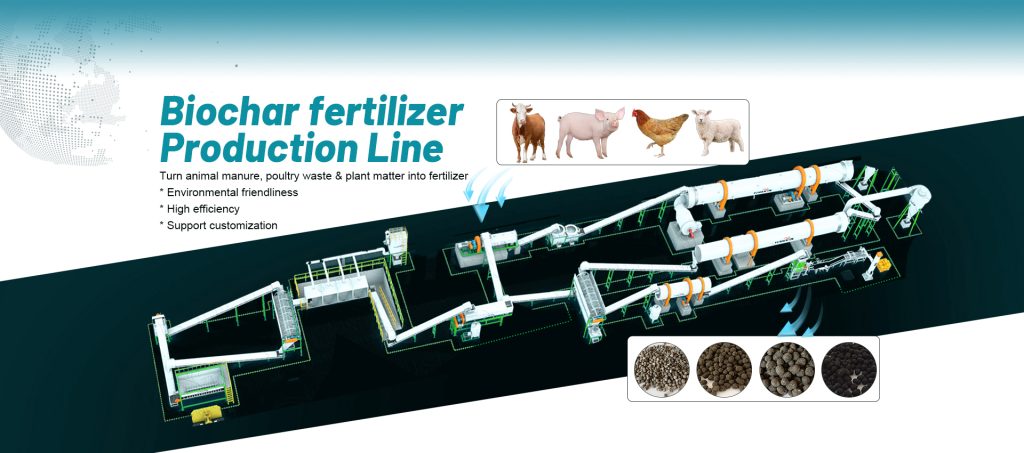
Efficient production of carbon-based fertilizer from chicken manure involves several key machines. These machines facilitate the transformation of raw materials into granulated fertilizer particles suitable for agricultural use.
- Compost Turner Machine: This equipment accelerates the composting process by turning and aerating the chicken manure mixture, promoting microbial activity and decomposition.
- Carbonization Furnace: Converting agricultural residues into biochar or charcoal powder, this furnace enhances the carbon content of the fertilizer.
- Crushing Machine: A carbon fertilizer grinder machine pulverizes composted materials into fine powder, ensuring uniformity before granulation.
- Granulator: Machines like the disc granulator or drum granulator form the powdered materials into granules or pellets. Granulation improves the fertilizer's handling, storage, and application properties.
- Drying Machine: Post-granulation, the drying equipment reduces moisture content, enhancing the stability and shelf-life of the fertilizer pellets.
- Packing Machine: Efficient packaging machinery ensures that the final carbon-based fertilizer granules are securely packed for distribution.
Selecting the appropriate granulator is crucial. Options include the flat die granulator for char-based fertilizer and the double roller extrusion granulator, each offering unique benefits for pellet making and granulating efficiency.
Conclusion
Producing carbon-based fertilizer from chicken manure is an eco-friendly way to recycle poultry waste and enrich soil health. By selecting suitable raw materials and utilizing essential machinery like compost turners, granulators, and drying equipment, the production process becomes more efficient and yields a high-quality product. For those seeking reliable machinery, a professional fertilizer equipment manufacturer—Yushunxin—offers a range of solutions tailored to carbon-based fertilizer production needs. You can visit: https://www.charbasedfertilizermachine.com/product/chicken-dung-and-biochar-as-fertilizer/