

In the realm of sustainable agriculture, the utilization of biofertilizers is gaining significant traction. Among these, liquid biofertilizers derived from cow manure are particularly valued for their nutrient richness and environmentally friendly attributes. This article delves into the process of converting cow manure into an effective liquid biofertilizer through a series of systematic steps.
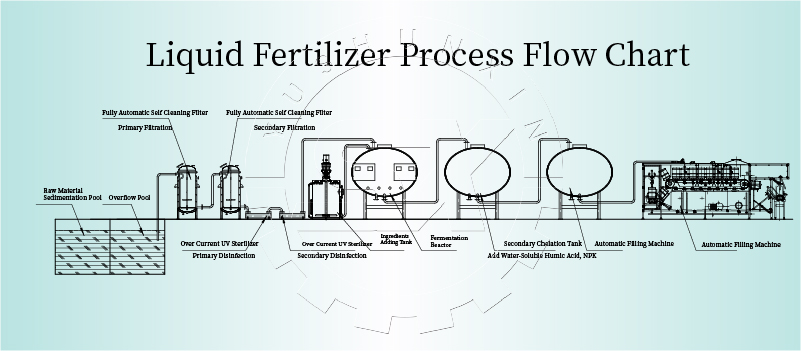
Step 1: Solid-Liquid Separation
The initial step involves separating the solid and liquid components of cow manure. This is typically achieved using a mechanical separator, which efficiently divides the manure into solid residues and a liquid fraction. This liquid part will later serve as the base for the biofertilizer. Click here to get more!
Step 2: Filtration of Impurities
Once the separation process is complete, the liquid section undergoes a filtration process to remove any residual impurities. Fine mesh screens or filtration systems can be employed for this purpose, ensuring that the liquid is clean and free of unwanted particles.
Step 3: Sanitization
To ensure the biofertilizer is safe and free from pathogens, the filtered liquid must be disinfected. This can be done through thermal pasteurization or the use of chemical disinfectants. The choice of method depends on available resources and the scale of liquid biofertilizer production.
Step 4: Mixing with Microbial Agents
The next step involves enriching the sanitized liquid with beneficial microbial agents. These agents, typically consisting of nitrogen-fixing bacteria and phosphate-solubilizing microorganisms, enhance the nutrient profile of the biofertilizer. Proper mixing ensures uniform distribution of these active agents throughout the liquid.
Step 5: Fermentation and Chelation
Following microbial enhancement, the mixture is subjected to a controlled fermentation process. During this stage, chelation occurs, which stabilizes the nutrients and improves their availability to plants. Fermentation vessels equipped with temperature and pH control systems are essential for maintaining optimal conditions.
Step 6: Packaging
Once fermentation and chelation are complete, the liquid biofertilizer is ready for packaging. It is critical to use containers that prevent contamination and allow for easy application. Proper labeling and storage instructions should be provided to guide the end-user.
Equipment Considerations
Throughout the process, the use of efficient and reliable equipment is essential. This includes separators, filtration systems, pasteurizers, mixers, and fermentation tanks. Investing in quality equipment can significantly enhance the purity and efficacy of the final product. YUSHUNXIN can offer you the complete liquid biofertilizer production line, welcome to consult!
Conclusion
Creating liquid biofertilizer from cow manure not only adds value to agricultural waste but also supports sustainable farming practices. By following these methodical steps, farmers and producers can develop a high-quality biofertilizer that contributes positively to crop production and environmental health. Welcome to visit:https://www.biofertilizerproduction.com/product/cow-dung-biofertilizer-making-line/