

Understanding the Role of Anaerobic Fermentation Tanks
In modern liquid fertilizer manufacturing, the anaerobic fermentation tank plays a central role in converting organic residues—such as animal manure, biogas slurry, and crop waste—into nutrient-rich biofertilizer. Through oxygen-free microbial decomposition, organic carbon is transformed into humic substances, while valuable nitrogen and phosphorus are retained in the liquid form. This process not only stabilizes waste but also enhances fertilizer efficiency and shelf life.
Key Design Features of Liquid Fertilizer Fermentation Reactors
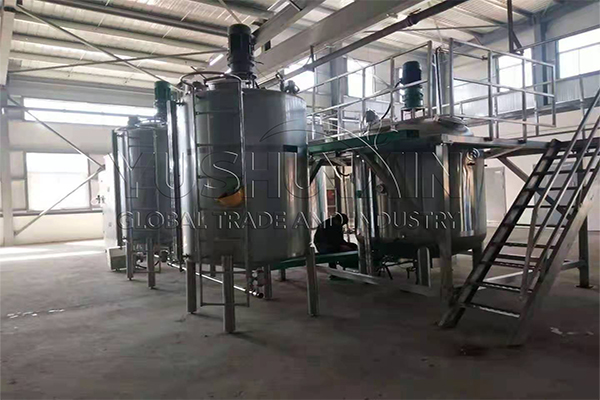
A high-performance anaerobic digester tank is built to maintain stable biological reactions under controlled temperature and mixing conditions.
- Structure: Most industrial systems adopt vertical sealed tanks made of 304 stainless steel or anti-corrosion carbon steel, with working volumes ranging from 5 to 100 cubic meters.
- Temperature Control: For thermophilic or mesophilic fermentation, built-in heating jackets or insulation layers help maintain 35–55°C, ensuring consistent microbial activity.
- Mixing System: Continuous stirring prevents sedimentation, creating uniform conditions for bacteria to break down organic matter.
- Gas and Pressure Safety: Equipped with gas collection pipes and safety valves, the tank can also recover biogas as a renewable energy source.
What Users Care About Most: Efficiency, Maintenance, and Cost
When selecting a liquid fertilizer anaerobic reactor, users often focus on three things:
- Fermentation Efficiency: A well-designed digester shortens reaction cycles from 20–30 days to about 10–15 days, improving throughput and reducing land use.
- Maintenance and Durability: Using corrosion-resistant materials significantly extends the lifespan of the tank—often over 10 years with proper cleaning and monitoring.
- Operational Cost: Energy-saving mixing systems and automatic pH/temperature control reduce electricity use by 15–25% compared to traditional setups.
Welcome to consult YUSHUNXIN to customize your anaerobic fermenter.
Applications Across Fertilizer Plants
These anaerobic digestion systems are widely applied in liquid fertilizer production lines, biogas slurry treatment units, and organic waste valorization plants. Whether integrated into a large-scale biofertilizer production facility or used as a standalone reactor, they offer flexibility in handling various raw materials and production capacities.
Sustainable and Scalable Biofertilizer Solutions
Beyond waste treatment, the anaerobic fermentation reactor embodies the circular economy approach—turning agricultural residues into high-value inputs. With automated monitoring and modular configuration, manufacturers can easily expand capacity while maintaining consistent product quality.
Choosing the right anaerobic digester for liquid fertilizer making means balancing efficiency, investment, and long-term reliability—ensuring sustainable production and better resource utilization. If you want to customize anaerobic fermenter, welcome to visit: https://www.liquidfertilizerplants.com/products/liquid-fertilizer-anaerobic-fermentation-tank/