

In the realm of mineral fertilizer production, transforming raw mineral materials into effective fertilizers is a critical process. Rock-based fertilizers, derived from various mined ores, play a significant role in enhancing soil fertility and crop yields. The granulation method used can greatly influence the quality and effectiveness of these fertilizers. This discussion delves into why disc granulation is the favored technique in manufacturing fertilizers from mineral resources.
What Raw Materials Are Suitable for Mineral Fertilizer Production?
Mineral fertilizers are produced from a variety of raw materials sourced directly from mines. Phosphate rock, rich in phosphorus, is a primary ingredient for phosphate fertilizers, essential for plant energy transfer and photosynthesis. Potassium ore, extracted from underground mines, is processed into potash fertilizers that improve water retention and disease resistance in plants. Limestone, a mineral composed mainly of calcium carbonate, is utilized to create lime fertilizers that adjust soil pH and supply calcium and magnesium. Gypsum, another mined mineral, provides sulfur and improves soil structure. Each mineral material addresses specific nutrient deficiencies in the soil, catering to diverse agricultural needs across different industries.
Why Is Disc Granulation Ideal for Rock-Based Fertilizer Manufacturing?
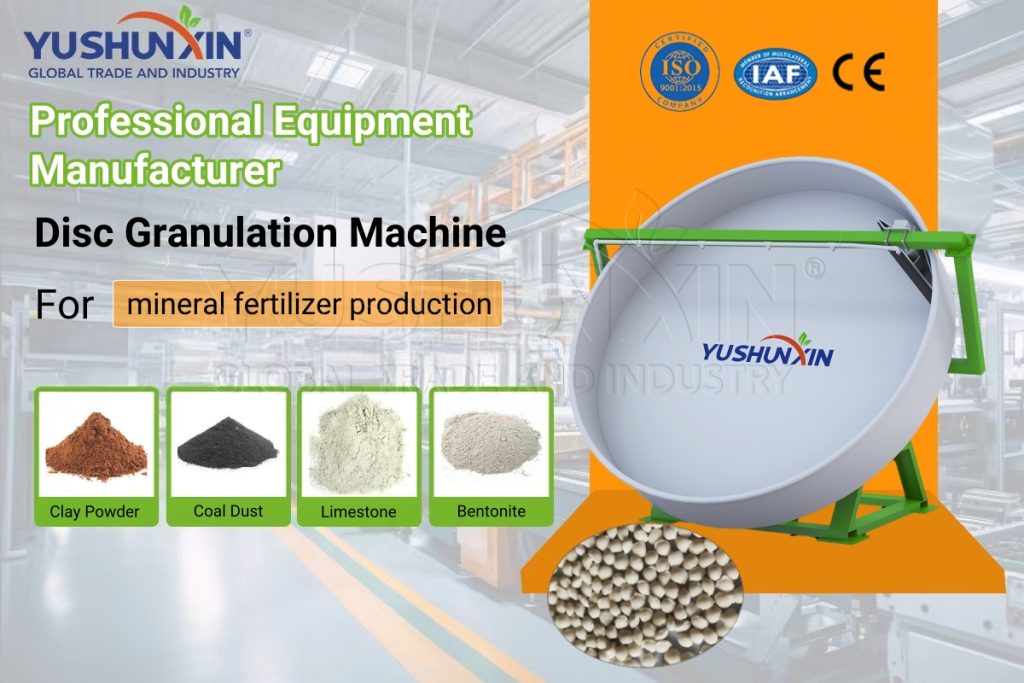
Disc granulators, also known as pan pelletizers, are machines specifically designed for granulating mineral-based fertilizers. These granulators offer precise control over particle size, which is crucial when processing rock-derived materials. The rotating disc mechanism facilitates the aggregation of fine mineral powders into uniform granules, enhancing the fertilizer's ease of application and absorption by plants. Disc granulation machinery is highly efficient, providing continuous operation and high production capacity. Moreover, it accommodates various mineral materials, making it versatile for producing different types of rock-based fertilizers. The ability to produce consistently sized granules improves product quality and meets industry standards for fertilizer manufacturing.
What Other Equipment Supports Mineral Fertilizer Production Processes?
The production of mineral fertilizers involves several key pieces of machinery beyond granulators. Crushing machines, such as jaw rock crushers or ore fertilizer crusher machines, are essential for reducing large rocks and ores into smaller particles suitable for processing. These crushers handle materials like phosphate rock and limestone, preparing them for subsequent stages. Raymond mills may be used to grind mineral ores into fine powders, enhancing the efficiency of the granulating process. Screening machines play a vital role in separating granules by size, ensuring uniformity in the final product. Each piece of equipment, from crushers to granulators to screening machinery, contributes to an efficient and effective mineral fertilizer production line.
Conclusion
Disc granulation stands out as the preferred method in rock-based fertilizer manufacturing due to its efficiency, versatility, and ability to produce high-quality granules. By utilizing mineral-rich raw materials and advanced machinery like disc granulators, producers can create fertilizers that meet specific agricultural requirements. Incorporating additional equipment such as crushing and screening machines further enhances the production process. For comprehensive solutions in mineral fertilizer production, partnering with a professional fertilizer equipment manufacturer like Yushunxin offers access to specialized machinery and expert support, ensuring optimal results in the manufacturing of mineral-based fertilizers. You can visit: https://www.mineralfertilizerproductionsolutions.com/product/disc-granulator-machine/