

Understanding the costs associated with establishing an organic fertilizer production line is crucial for businesses in the fertilizer manufacturing sector. Various factors significantly impact the overall investment required, from raw material selection to machinery specifications. By examining these elements, manufacturers can gain insights that help optimize their production processes and minimize costs.
How Do Raw Materials Affect Organic Fertilizer Production Costs?
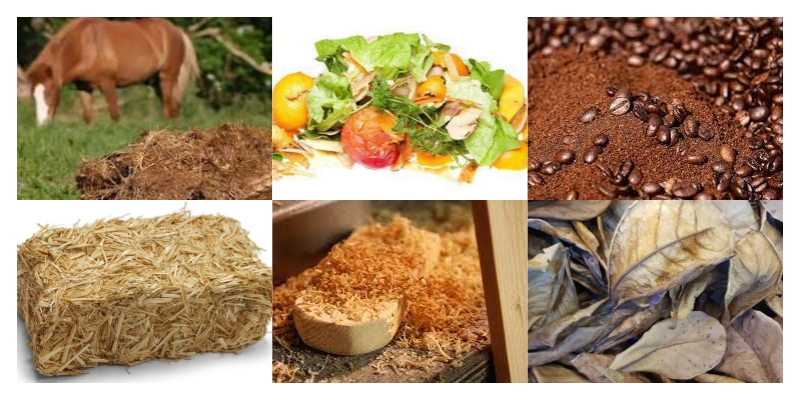
The choice of raw materials plays a pivotal role in determining the cost of an organic fertilizer production line. Various organic materials such as animal manure, plant waste, and green waste provide essential nutrients for fertilizers. For instance, livestock manure serves as an excellent nutrient source due to its rich nitrogen and phosphorus content, while plant waste contributes organic matter and minerals.
In addition to these, composted materials also find usefulness in producing organic fertilizers. These raw materials must be sourced efficiently to lower costs. Higher-quality inputs may result in increased production value, but these often come with a higher price tag. Thus, balancing cost and quality stands as a significant consideration for manufacturers.
Which Machinery Characteristics Impact Production Line Investments?
The specific machinery and equipment selected for an organic fertilizer production line profoundly influence the overall cost. Essential machines typically include granulators, mixers, and dryers, all of which contribute to the granulation and overall manufacturing process. For instance, a high-capacity granulator efficiently converts raw materials into uniform granules, enhancing production efficiency.
Moreover, the choice between different types of granulators, such as rotary drum granulators or disc granulators, also affects costs. Each type has its distinct operational features and efficiency levels, impacting initial investments and long-term operational expenses. Selecting machinery that aligns with production goals can lead to significant cost savings over time.
What Role Does Production Process and Capacity Play in Costs?
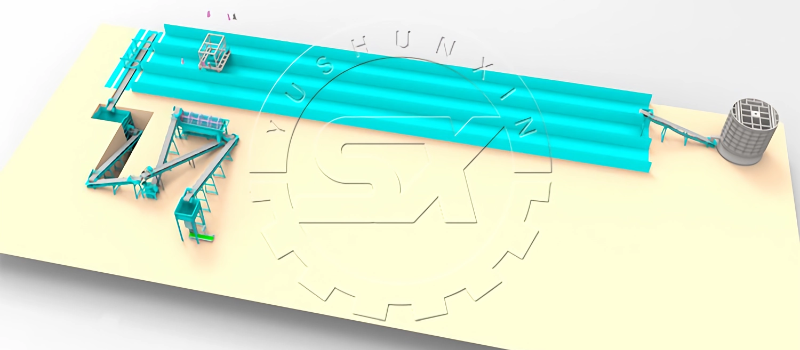
The production capacity desired by a business substantially influences the financial outlay required for establishing an organic fertilizer production line. Higher capacity systems tend to require more advanced machinery and additional equipment to manage larger volumes of materials. Consequently, businesses must consider the trade-off between initial investments and potential returns based on projected production rates.
Furthermore, the complexity of the production process affects costs. A straightforward production line may require fewer machines and less investment compared to a more complex setup that integrates multiple stages, such as crushing, mixing, and granulating. Therefore, evaluating the desired production scale and the associated processes can help manufacturers forecast their organic fertilizer plant cost more accurately.
How Do Operational Factors Influence Fertilizer Manufacturing Expenses?
Operational factors, including labor costs, energy usage, and maintenance, also significantly impact the overall expenses of running an organic fertilizer production line. Labor costs can vary considerably depending on geographic location and the complexity of the machinery in use. Adequate training and skilled operators may also contribute to operational expenses.
Energy consumption represents another substantial cost component. Efficient machinery designs and energy-saving technologies can mitigate these costs. Additionally, ongoing maintenance is crucial for maintaining operational efficiency and prolonging equipment life; thus, neglecting this aspect can lead to higher long-term costs.
Conclusion
Several key factors influence the cost of an organic fertilizer production line, ranging from raw material selection to the types of machinery employed and the overall operational framework. Businesses aiming to establish a fertilizer manufacturing plant must scrutinize each of these areas carefully to optimize investments and enhance cost-effectiveness. By considering these influences and integrating efficient practices, manufacturers can strategically navigate the complexities of production line setup and operation. As manufacturers evaluate their options, consulting with experienced experts can provide valuable insights into equipment selection and process optimization. For tailored solutions, exploring options from a professional equipment manufacturer can be beneficial in achieving both efficiency and cost savings in the organic fertilizer market. You can visit: https://www.fertilizerproductequipment.com/fertilizer-manufacturing-plant-cost/