

Transforming chicken manure compost into organic fertilizer pellets is a highly effective way to recycle waste, enrich the soil, and contribute to sustainable agriculture. These pellets are easy to handle, store, and apply, making them a preferred choice for farmers and gardeners alike. This blog will guide you through the process of finishing organic fertilizer pellet production from chicken manure compost.
Why Chicken Manure Compost?
Chicken manure is one of the most nutrient-rich animal manures available. It is packed with essential nutrients like nitrogen, phosphorus, and potassium, which are crucial for healthy plant growth. Composted chicken manure is harmless. However, if you want to make quality organic fertilizer from chicken mauure, it is advisable to make composted chicken poop into pellets.
Step-by-Step Guide to Producing Organic Fertilizer Pellets
Composting the Chicken Manure:
- Collection and Preparation: Collect chicken manure and mix it with carbon-rich materials like straw, sawdust, or leaves. This balances the carbon-to-nitrogen ratio, essential for effective chicken poop composting.
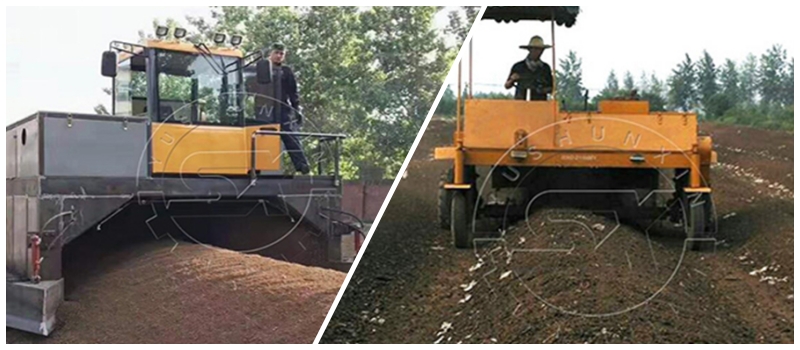
- Aeration and Moisture Control: Pile the mixture in a compost bin or heap, ensuring good aeration. Turn the pile regularly to maintain oxygen levels and moisture content, ideally around 50-60%.
- Composting Period: Allow the compost to mature over several weeks to months. The compost is ready when it is dark, crumbly, and has an earthy smell.
2. Screening and Grinding:
- Screening: Once the compost is ready, screen it to remove any large particles or debris. This ensures a finer, more uniform product.
- Grinding: Use a grinder to further break down the compost into smaller particles. This improves the pelletizing process, resulting in more compact and uniform pellets.
3. Pelletizing Process:
- Pellet Mill: Load the finely ground compost into a composted chicken manure granulator. These machines granulate chicken manure compost through a water cohesion or high pressure. Go here for details.
- Binding Agents: Sometimes, natural binding agents like molasses or starch are added to improve pellet formation and durability.
4. Drying the Pellets:
- Drying: After pelletizing, the pellets may still contain some moisture. Use a drying machine to reduce the moisture content to around 10-15%. This prevents mold growth and extends the shelf life of the pellets.
5. Cooling and Screening:
- Cooling: Cool the pellets to room temperature using a cooling machine. This process hardens the pellets and improves their durability.
- Final Screening: Screen the cooled pellets to remove any fines or broken pellets. These can be recycled back into the pellet mill.
6. Packaging and Storage:
- Packaging: Package the finished pellets in bags or containers, ensuring they are sealed properly to maintain quality.
- Storage: Store the packaged pellets in a cool, dry place to prevent moisture absorption and contamination.
Benefits of Organic Fertilizer Pellets
- Nutrient-Rich: Provides a balanced supply of essential nutrients to plants.
- Soil Health: Improves soil structure, water retention, and microbial activity.
- Ease of Use: Easy to handle, store, and apply, reducing labor costs.
- Sustainable: Utilizes waste products, reducing environmental impact.
Conclusion
Producing organic fertilizer pellets from chicken manure compost is a sustainable, cost-effective, and efficient way to recycle waste and promote healthier plant growth. By following these steps, you can transform nutrient-rich chicken manure into high-quality organic fertilizer pellets. If you are intrested it, you can visist https://www.granulatedcompostsolutions.com/product/chicken-manure-compost-pellets-production-solution/