

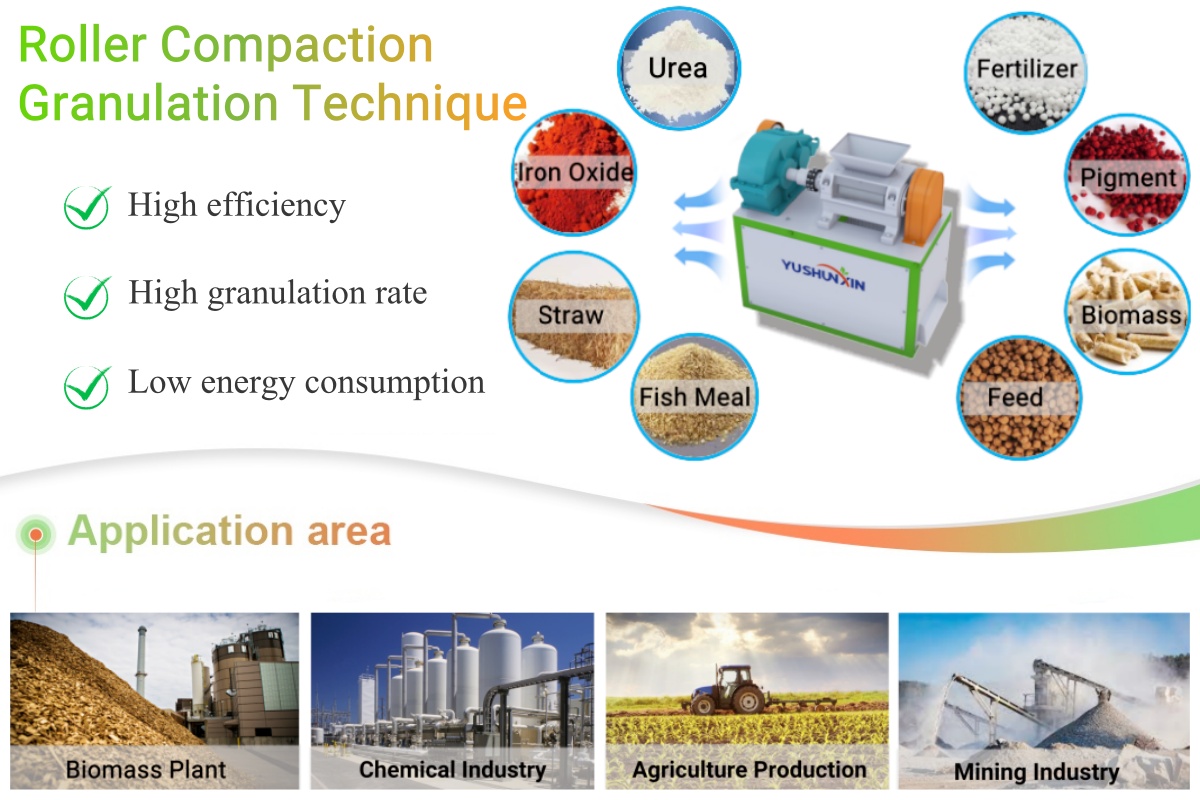
roller compactor granulation
Which roller compactor granulation system handles hygroscopic materials?
A roller compactor granulation system handles hygroscopic materials because it does not add a large amount of water or steam. You can feed the powder between two rollers and form dense flakes without a dryer. A crusher and a screening machine then turn the flakes into uniform granules. This process protects heat-sensitive nutrients and keeps the fertilizer manufacturing system stable.
How does a roller compactor granulation line reduce heat and moisture stress?
A roller compactor granulation line reduces heat and moisture stress by pressing the material at room temperature. You can compare this dry route with the general principles of organic fertilizer processing when you choose the moisture range. Organic fertilizer extrusion technology supports this low-heat forming method and shortens the material path in the fertilizer extrusion line.
Which fertilizer materials benefit most from roller compaction?
Hygroscopic salts, heat-sensitive compounds, and low-moisture powders benefit most from roller compaction. You can process ammonium-based materials and organic blends without a steam dryer. A crusher before the press controls particle size, and a screen after the press removes fine particles. This preparation helps the fertilizer machinery run consistently and reduces the fertilizer production budget.
Which auxiliary machines complete a roller compaction granulation line?
A crusher, a mixer, a roller press, a screening machine, and a packing scale complete a roller compaction granulation line. You can add a rotary dryer only when the raw material carries extra moisture. This equipment arrangement keeps the fertilizer processing plant compact and easy to operate.
Why should heat-sensitive fertilizer producers choose roller compaction before wet granulation?
Heat-sensitive fertilizer producers should choose roller compaction before wet granulation because the dry route keeps the material temperature low. You can process chicken manure, crop straw, humic acid, and sewage sludge without a steam dryer or a long cooling drum. The roller press still forms strong granules when the moisture stays within a suitable range. This choice protects the fertilizer machinery and keeps the fertilizer manufacturing process stable.
To summarize, roller compaction is better than wet granulation for hygroscopic or heat-sensitive fertilizer materials because it avoids steam heat and excess water. This dry method also protects nutrient stability and shortens the production path. The equipment remains compact and easier to clean. This choice supports continuous dry granulation. You can match the roller press, crusher, screen, and packing units to the material condition. A fertilizer machinery manufacturer can help you configure the dry granulation system. Yushunxin provides this roller compaction granulation equipment. If you have interests, you can learn more about https://www.extruder-granulator.com/roller-compaction-granulation-technique