

As the world increasingly emphasizes sustainable agriculture and eco-friendly practices, the demand for high-quality bio organic fertilizers continues to rise. By 2025, the production of such fertilizers is expected to adhere to more advanced techniques and technologies, ensuring efficiency and environmental sustainability. Here, we outline the key steps and considerations in producing superior bio organic fertilizer in the near future.
Understanding Bio Organic Fertilizer
Bio organic fertilizers are derived from natural sources such as animal manures, plant residues, and microbial inoculants. These fertilizers not only provide essential nutrients to the soil but also enhance its biological activity, improve soil structure, and encourage sustainable plant growth.
Key Steps in Production
1. Sourcing Raw Materials
High-quality bio organic fertilizers begin with pristine raw materials. By 2025, emphasis will be placed on sustainably sourced inputs. This includes using certified organic matter and ensuring minimal contamination by heavy metals or pathogens. Click here to view the process of producing biofertilizer from different raw materials.
2. Composting Process
The composting process remains integral to fertilizer production. Advancements in bioengineering will allow for precise control of temperature, humidity, and aeration. Utilizing aerobic decomposition with specific microbial consortia will guarantee a faster and more efficient breakdown of organic matter.
3. Advanced Microbial Inoculation
By 2025, innovations in microbial technology will facilitate the introduction of tailored microbial inoculants. These bioengineered microbes will not only enhance nutrient availability but also encourage microbial diversity and resilience in the soil ecosystem.
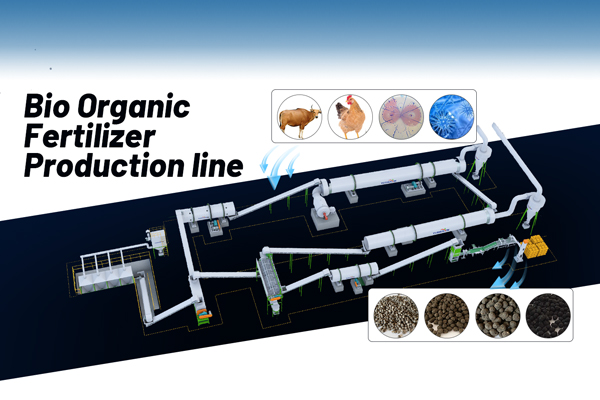
4. Refinement and Quality Control
Modern refinement techniques will be integral to achieving consistency and quality in final products. This involves sieving, drying, and granulation, ensuring that the fertilizer is easy to handle and apply. Quality control measures, augmented by AI and machine learning, will ensure the product meets stringent quality standards. In this regard, you can choose YUSHUNXIN's biofertilizer screening machine, which can screen quickly and accurately.
5. Packaging and Distribution
Sustainable packaging solutions will be prioritized to minimize environmental impact. Moreover, smart technologies will enable precision in application, ensuring optimal distribution and minimizing waste.
Environmental and Economic Benefits
The production of bio organic fertilizers aligns with ecological sustainability. By enhancing soil biodiversity and reducing dependency on chemical inputs, the agriculture sector can significantly lower its carbon footprint. Economically, farmers can expect improved yields and lower long-term costs, contributing to global food security.
Conclusion
As we look towards 2025, the production of high-quality bio organic fertilizers will be marked by technological advancements and a steadfast commitment to sustainability. Adopting these practices not only supports environmental health but also ensures agricultural productivity and economic viability. The journey towards a greeneг and more sustainable future starts with the soil beneath our feet. If you want to know biofertilize production technology, please visit:https://www.biofertilizerproduction.com/product/bio-organic-fertilizer-production-line/