

As the global agricultural sector increasingly seeks sustainable solutions to enhance soil fertility, biofertilizers are becoming a beacon of hope. These organic fertilizers enrich the soil with essential nutrients while promoting microbial activity, leading to healthier crops and reduced reliance on chemical fertilizers. However, one of the main challenges for cultivators worldwide is the cost-effective production of biofertilizers. This article delves into the methodologies and practices that can assist in producing biofertilizers at a minimal cost.
Understanding Biofertilizers
Biofertilizers are composed of living microorganisms which, when applied to seeds, plant surfaces, or soil, colonize the rhizosphere or the interior of the plant, thereby promoting growth by increasing the supply or availability of primary nutrients to the host plant. Common microbial strains used in biofertilizers include nitrogen-fixers, phosphate solubilizers, and decomposers of organic waste.
Cost-Effective Production Strategies
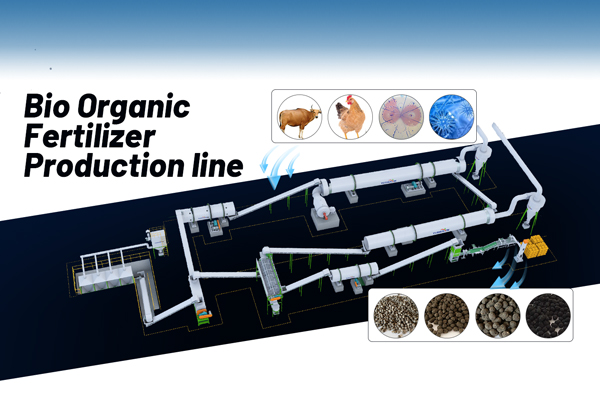
- Utilization of Local Resources: One effective strategy to minimize the production cost is leveraging locally available raw materials. This could include agricultural residues, compostable kitchen waste, and other organic by-products, which can serve as the primary substrate for microbial growth. You can turn organic waste into biofertilizer, which can save production costs.
- Adopting Low-Cost Technology: Simple and cost-efficient technologies such as vermicomposting or pit composting can be employed for the initial processing of organic matter. These methods not only reduce the biofertilizer production plant setup cost but also facilitate the recycling of nutrients, aligning with sustainable farming practices. Click here to get more!
- Optimizing Microbial Cultivation: High-cell-density cultures, which imply cultivating microorganisms at their highest possible concentration, can be optimized to maximize yield. Utilizing open-source bioreactors or low-cost fermentation units can enhance efficiency without heavy capital investments.
- Collaborative Ventures: Partnering with local agricultural cooperatives can optimize resource use and distribution channels. By engaging in community-driven production models, producers can share costs and expertise, thus reducing the individual burden of production expenses.
- Government and Institutional Support: Exploring grants and subsidies offered by governmental and nongovernmental organizations can provide financial assistance. Additionally, educational institutions can serve as partners in research, aiding in the development of innovative and cost-efficient production techniques.
- Sustainable Packaging Solutions: Using biodegradable or recyclable packaging materials can lower costs in the long term while aligning with environmental objectives. Bulk packaging for larger distribution can also reduce expenses related to materials and logistics.
Challenges and Considerations
While these methods present a pathway to reduce costs, producers must ensure that the quality of the biofertilizer is not compromised. Regular quality checks and adherence to microbial safety and efficacy standards are crucial to maintain the product's market credibility and effectiveness.
In conclusion, producing biofertilizers at low cost requires a multifaceted approach that includes leveraging local resources, employing simple technologies, and fostering collaborative networks. By embracing these strategies, producers can contribute to a more sustainable agricultural future, ensuring both economic viability and environmental responsibility. As the demand for greener agrarian solutions grows, the onus is on both innovators and policymakers to support low-cost production methods that can meet the needs of a diverse farming community. If you want to know the specific biofertilizer production costs, please visit: https://www.biofertilizerproduction.com/product/biofertilizer-plant-cost/